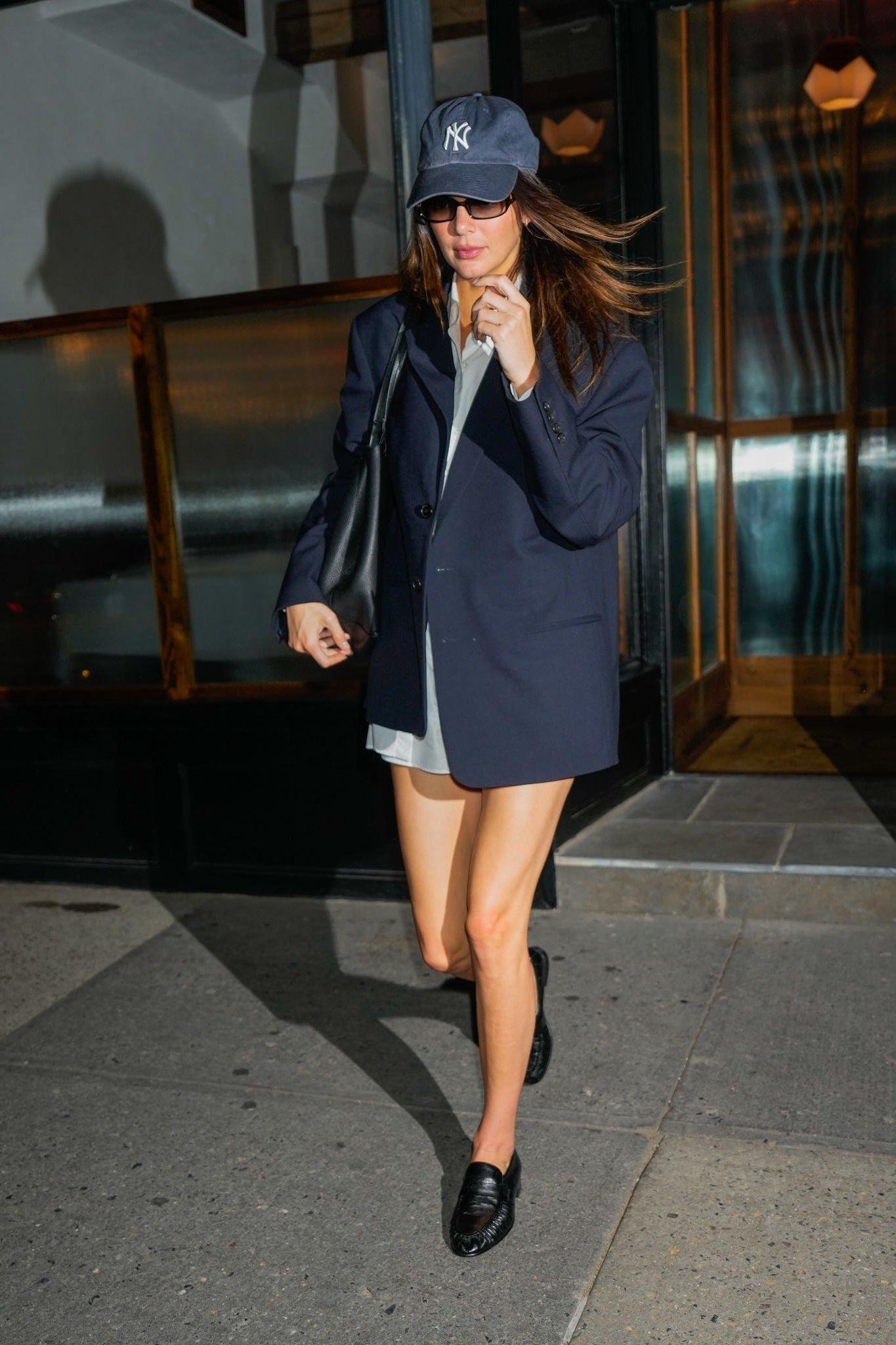
Broken Down: The brand’s Most Defining Bag Shapes
In fashion, the label occupies a strange yet desirable position. Mary-Kate and Ashley Olsen shaped a house that shuns logos, avoids trend cycles, and steers clear of almost everything the accessories industry thrives on, but even so its bags have emerged as some of the most coveted objects in luxury. Ask anyone who follows the row fashion closely and they’ll tell you the appeal isn’t about newness. It’s about proportion, leather quality, and a refusal to shout. That restraint is precisely why the row handbags resell so well and why the row bag waitlists at flagship stores can stretch for months.
In this piece, we break down the silhouettes that built the label’s reputation, the ways set apart one silhouette from another, and where mix-ups usually crops up for new buyers. Further down, you’ll also find a comparison table for those deciding between the brand’s most in-demand styles before scouting a row sale or checking resale platforms.
The Reason The Row’s Bags Work Differently From Other Luxury Houses
Most luxury handbag strategy relies on seasonal drops, collaborations, or visible branding that signals status at a glance. The label reversed that model from day one. Bags are produced in limited batches, hardware is kept to a minimum or skipped altogether, and construction details like edge-painting and hand-stitched handles count for more than any exterior logo. That’s why, the row bags overview discussion online tends to center on leather sourcing and silhouette rather than «It girl» campaigns.
Prices reflect that manufacturing approach. Many of the brand’s leather totes and top-handle bags land in the four-figure range, with exotic-skin or oversized versions climbing higher. That pricing structure has made secondhand and resale marketplaces essential for shoppers hunting for the best row bags without paying full retail. Supply was always scarce to start with, so a row sale — whenever one surfaces through select department stores — tends to move fast.
The brand’s design philosophy also explains why so many of its bags share visual DNA. Because soft-edged corners, soft slouch, and minimal hardware recur throughout the lineup, it’s proportion and handle construction — not major silhouette shifts — that separate one style from another. https://rowbag.com/shoulder-bags/ Examining this brand closely is rewarding, in part because of this subtlety.
How The Margaux Built The Row’s Handbag Reputation
The Margaux is the style responsible for turning The Row from a subdued ready-to-wear label into a true handbag destination, if there’s one. Christened for a Bordeaux wine region, the bag launched featuring an unstructured, slightly slouchy tote silhouette that felt like an intentional counterpoint to the stiff, embellished-with-hardware totes ruling luxury shelves at the time. Multiple size options exist, commonly labeled Margaux 12, 15, and 17, with the number approximately indicating width in inches.
The leather itself runs thick, on the larger sizes, the short top handles mean underarm carry is necessary, and depending on the version, you’ll typically find either a plain magnetic snap or an open-top closure. The exterior carries no visible branding at all. That lack of identification was the whole idea: insiders spot it immediately, but it goes unnoticed by outsiders.
Because demand outpaced supply almost immediately after release, shoppers often look for where to buy the row margaux bag across the brand’s direct site as well as authorized luxury sellers that periodically offer limited stock. What’s available changes with the season and the leather shade, and certain shades disappear more quickly than others. Shoppers exploring the row tote bag category overall typically begin with the Margaux because it remains the most referenced silhouette across resale platforms and styling content alike.
The Sofia, Ali, and Alexandra: Structured Options Worth Considering
Beyond the Margaux, The Row’s structured top-handle bags round out the rest of its most-sought catalog. Closer to a classic handbag form, the Sofia features a firmer frame and a top handle built for hand-carry rather than shoulder or underarm use. Meanwhile, the Ali falls somewhere between a clutch and a mini top-handle, drawing buyers who want the brand’s material quality in a more compact everyday size.
Of the group, the Alexandra is the most architectural, featuring a firmer base and a form that stays structured even when only half full. It tends to draw shoppers coming from more rigidly structured luxury houses who want a bag with presence yet no visible branding. All three styles reinforce the same underlying theme—understated construction, minimal hardware, and leather that speaks for itself.
Buyers comparing top row bags across these three names often end up choosing based on handle drop and interior volume rather than color or seasonal availability, since color options tend to rotate less dramatically than at other luxury brands. By design, it’s a slower, more deliberate kind of shopping experience.
The N/S Park Tote Along With Other Everyday Styles
Not all of the emblematic design from The Row comes as a structured handbag. On the more relaxed, editor-favored side of the brand, you’ll find the N/S Park Tote and similar oversized carryall shapes. Rather than holding a rigid form, these totes tend to soften and drape, since they are usually unlined or minimally lined and made from a one-piece dominant leather panel. They’ve become a staple among stylists and editors who want a logo-free yet identifiable everyday bag.
These larger totes tend to be priced slightly below the brand’s structured top-handle bags, which makes them a common entry point for first-time buyers exploring the row bags line before committing to a smaller, pricier silhouette. They also hold up well as an everyday commuter bag, something the smaller Margaux sizes aren’t always practical for.
Because these tote styles share materials and construction techniques with the rest of the line, the quality gap between «entry» and «flagship» pieces at The Row is smaller than at most comparable luxury houses. That consistency is part of why loyal shoppers keep returning to the brand rather than shopping around each season.
Its Iconic Bag Silhouettes Compared
| Bag Model Shape | Structural Style | Standard Handle Format | Great Match For |
|---|---|---|---|
| Margaux | Relaxed, unstructured tote | Compact top-set handles | Everyday luxury, quiet-luxury appeal |
| Sofia | A top-handle style that’s structured | Rigid top handle | Workplace or polished day wear |
| Ali | A crossover between a compact top-handle bag and a clutch-style bag | Brief handle with an optional strap | Evening or streamlined daily carry |
| Alexandra | A bag with an architectural built-up form | Fixed top handle | Customers wanting structural durability |
| N/S Park Tote | Large-scale soft tote | Lengthy over-the-shoulder straps | Commuting, trips, daily errands |
Where and How to Purchase The Row’s Handbags in 2026
If you hope to shop this label successfully, a patient mindset is key. Fanfare rarely accompanies fresh drops, since the label purposely maintains a small store footprint — flagship boutiques in major cities, plus a limited but growing online retail arm. Certain luxury department stores offer rotating inventory, and that’s usually where a row sale is likeliest to appear, typically during end-of-season markdown periods rather than limited-time flash deals.
For buyers on the lookout for where to find the Row Margaux bag, monitoring the brand’s official site alongside its authorized stockists on a consistent basis is the smartest method, given that restocks aren’t announced in advance and popular leather colors disappear quickly. Resale platforms that authenticate luxury goods have also become a legitimate secondary market for shoppers priced out of retail or hunting for discontinued colorways.
Whatever the entry point, the styles covered here make up the backbone of the row handbags catalog as it currently sits heading into 2026. The Margaux remains the cultural centerpiece, the structured top-handles serve buyers wanting rigidity and formality, and the oversized tote styles cover the need for everyday, go-to carry. Grasping these differences turns shopping the brand into a far less daunting, far more deliberate experience, which, appropriately, is precisely the way The Row shapes every piece it creates.